
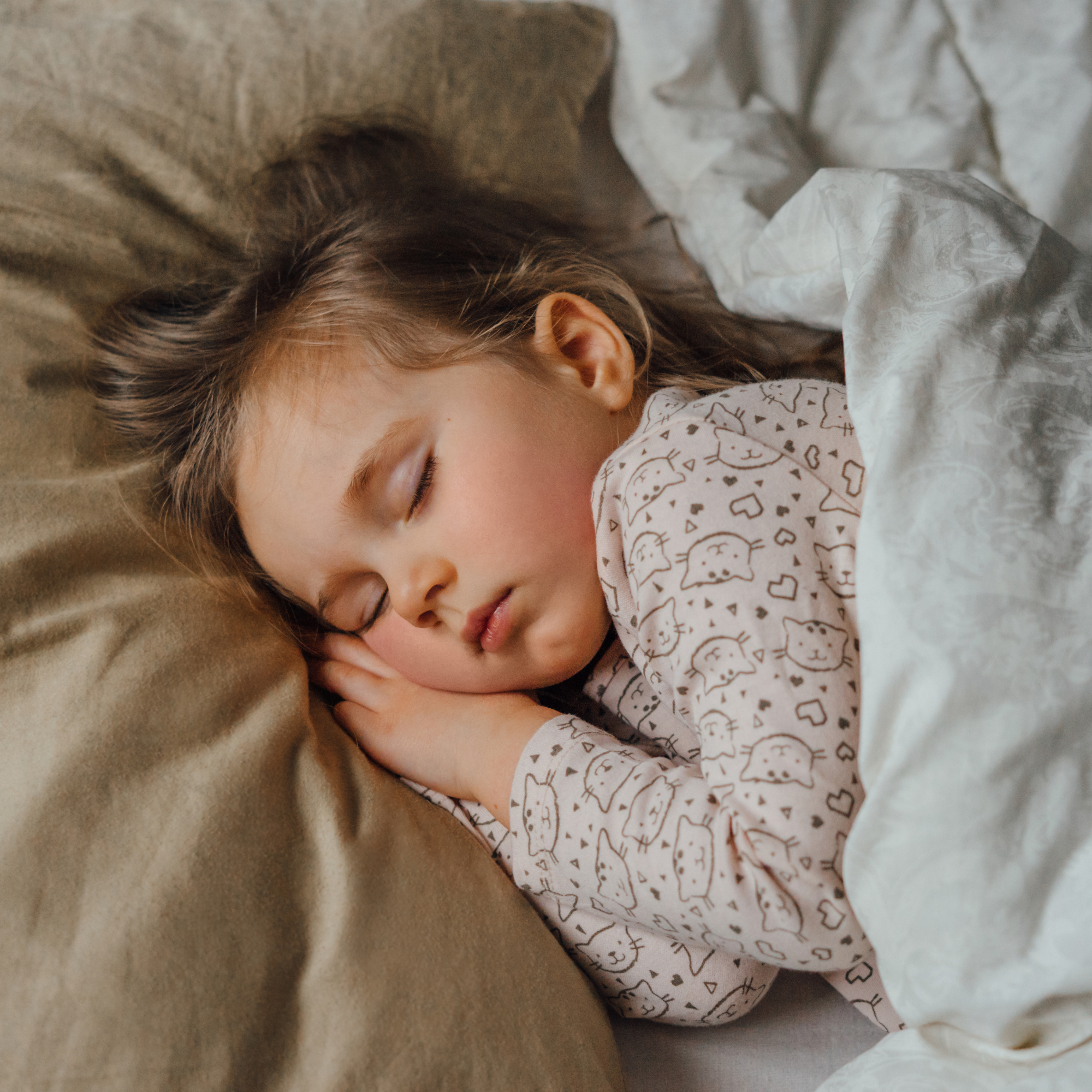
Is Your Child Sleeping Well? Understanding Sleep-Disordered Breathing in Kids
As a parent, you want your child to wake up refreshed, ready to learn, and full of energy. But what if their behavior issues, poor school performance, or morning crankiness are actually signs of a deeper problem?
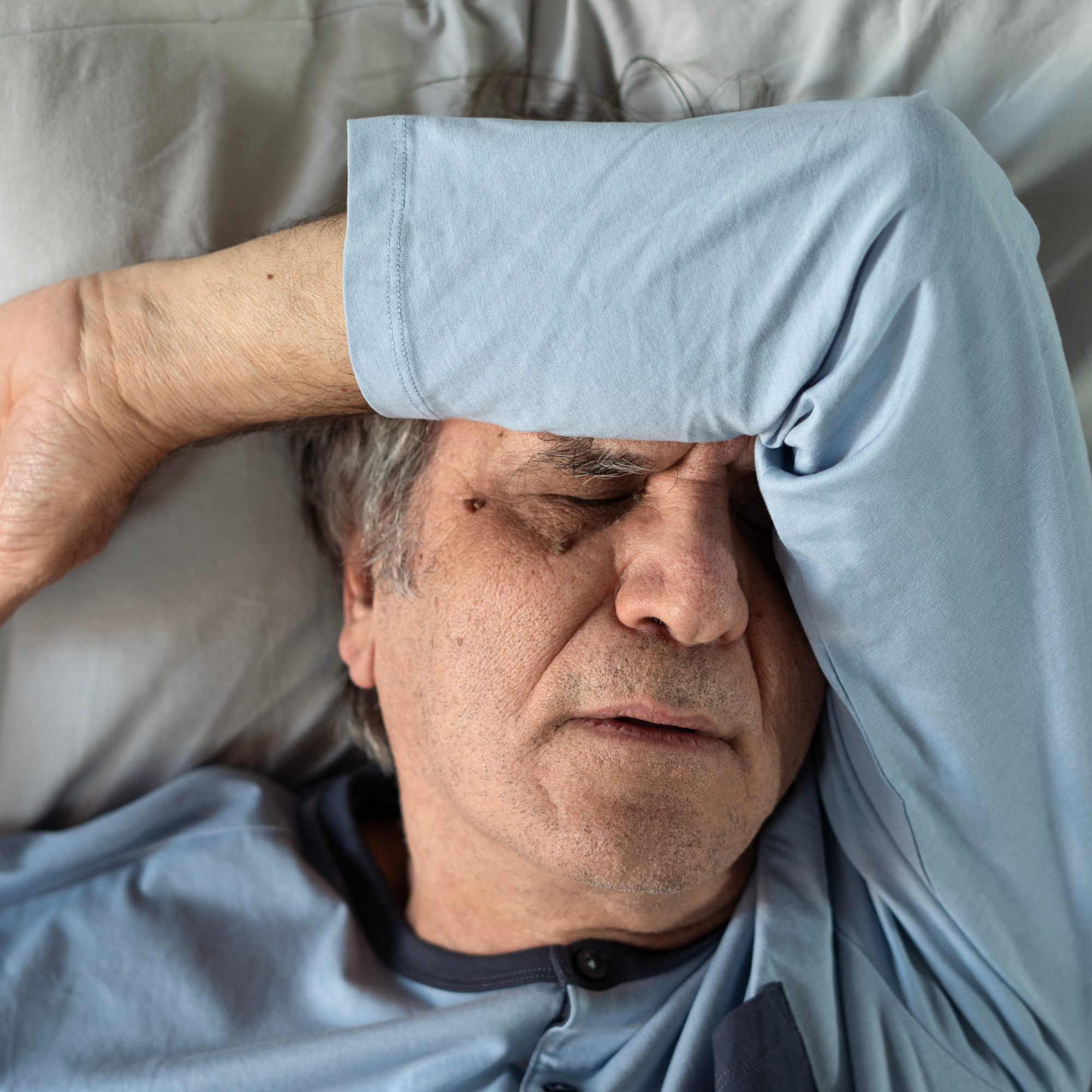
5 Common Myths About Sleep Apnea
Sleep apnea is a serious medical condition that affects millions of Americans. Despite its prevalence, there are many misconceptions surrounding the disorder. These myths can prevent people from seeking help, leading to untreated symptoms and potential health risks. At Northwest Ohio Sleep Solutions, we believe education is the first step toward better health. Here are five common myths about sleep apnea and the facts behind them.
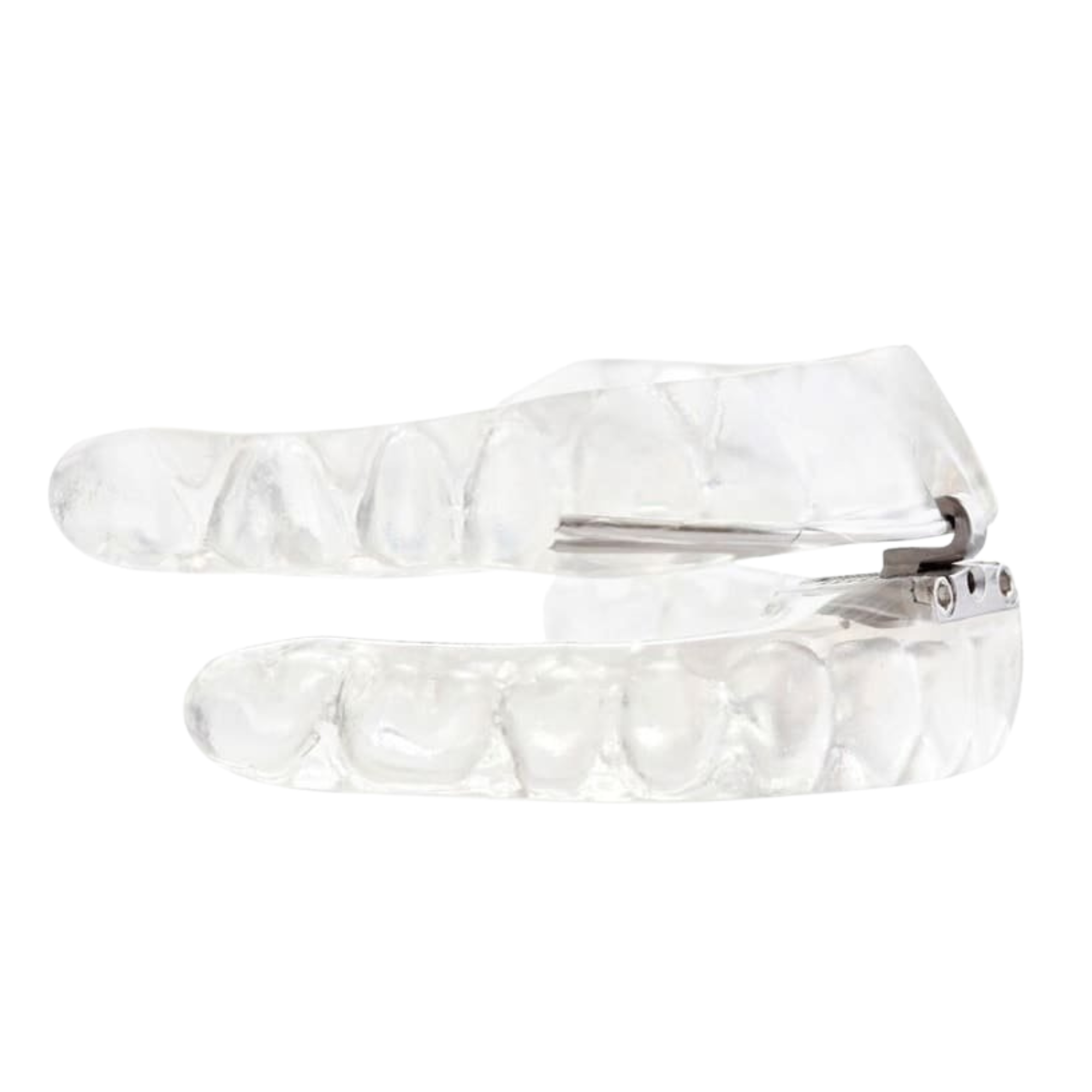
Why Choose Oral Appliance Therapy?
For many patients diagnosed with obstructive sleep apnea (OSA) or chronic snoring, treatment often feels like a choice between comfort and effectiveness. Some patients struggle with Continuous Positive Airway Pressure (CPAP) machines due to noise, dryness, or difficulty wearing a mask all night. Others wonder if there is a simpler way to manage their symptoms. Oral Appliance Therapy offers a comfortable, effective, and convenient alternative for many patients. By using a custom-fitted device to gently reposition the jaw and tongue, oral appliances help keep your airway open while you sleep. Here are the key benefits of choosing oral appliance therapy for your sleep health.
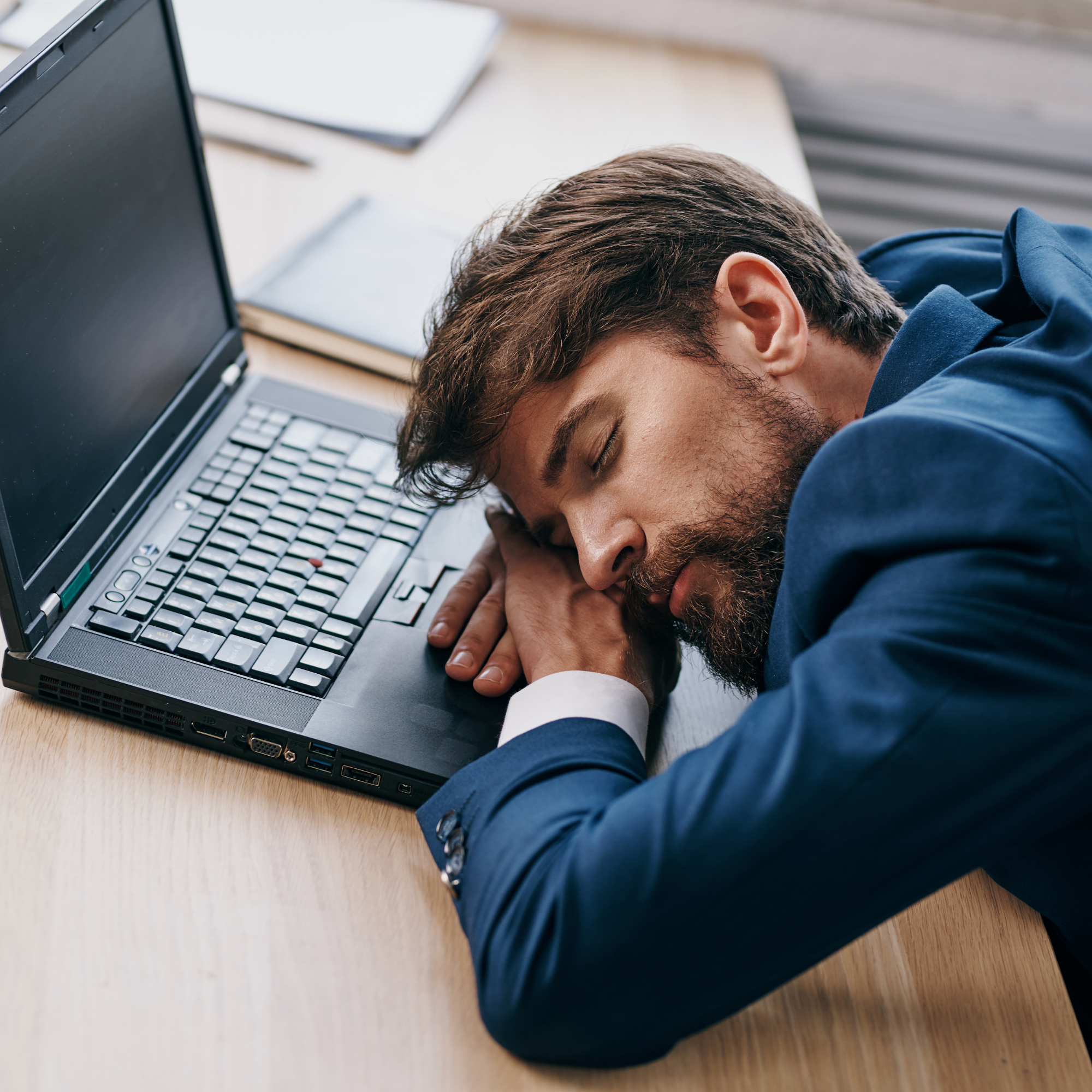
Daytime Sleepiness: Is It Just Stress or Something More?
If you constantly feel tired during the day, you might assume it is simply due to a busy schedule, stress, or not getting enough hours of sleep. While these factors certainly play a role, persistent daytime sleepiness can also be a sign of an underlying sleep disorder, such as obstructive sleep apnea (OSA). Understanding the difference between normal fatigue and sleep-related exhaustion is an important step toward better health.

Can Sleep Apnea Go Away on Its Own?
If you have been diagnosed with sleep apnea or suspect you may have it, you might wonder if it will eventually go away without treatment. While some people hope the condition will improve over time, the reality is that sleep apnea usually does not resolve on its own. In many cases, it can actually become more severe if left untreated. Understanding why sleep apnea develops can help explain why treatment is often necessary.
Is Sleep Apnea Dangerous?
Many people think of sleep apnea as little more than a snoring problem. While loud snoring is one of the most common symptoms, sleep apnea is actually a serious medical condition that can affect nearly every part of the body. Left untreated, it can increase the risk of several significant health problems and reduce overall quality of life. Understanding these risks is one of the most important reasons to seek evaluation and treatment.
CPAP vs Oral Appliance Therapy: Which Is Right for You?
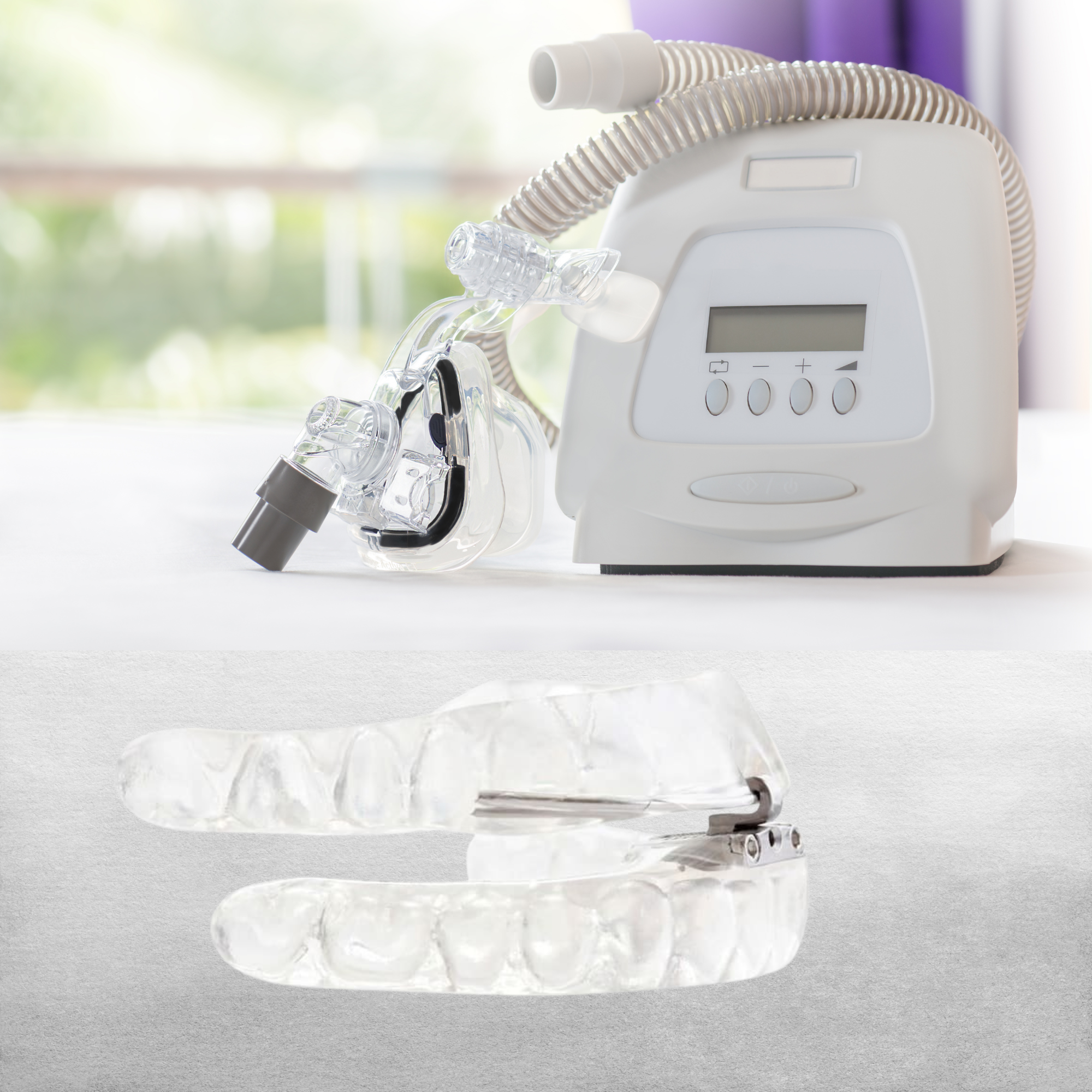
If you have been diagnosed with sleep apnea, one of the first decisions you may face is choosing the right treatment. CPAP therapy has long been considered a standard treatment option, but many patients are also finding success with Oral Appliance Therapy. Understanding the differences between these treatments can help you determine which option best fits your needs and lifestyle.
Is Snoring Affecting Your Relationship?
Snoring is often joked about, but for many couples, it can become a real source of frustration and tension. When one partner is constantly being kept awake by loud snoring, both people can end up exhausted, irritable, and struggling with poor sleep. What many people do not realize is that loud snoring may be more than just an annoying habit. It is often a sign of sleep apnea, a condition that can seriously affect both your health and your quality of life.
Common Myths About Sleep Apnea
Sleep apnea is a common but often misunderstood condition. Because many symptoms happen during sleep, people may not realize they have it or may believe it is not serious enough to treat. Unfortunately, misconceptions about sleep apnea can delay diagnosis and prevent people from getting the help they need.
Understanding the facts can make it easier to recognize symptoms and take sleep health seriously.
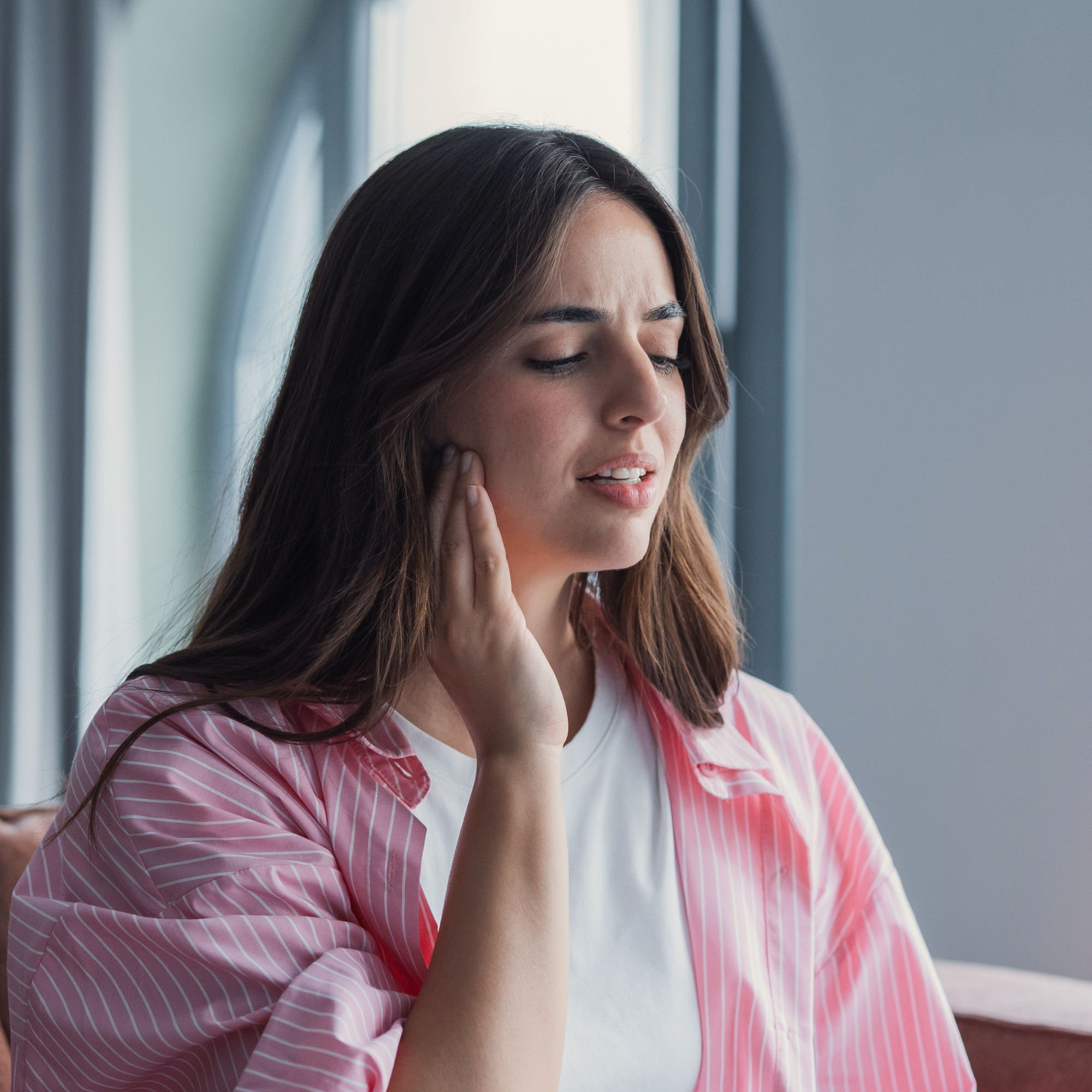
TMJ, Teeth Grinding, and Sleep Apnea: How They Are Connected
Jaw pain, worn teeth, and poor sleep may seem like separate issues, but they are often closely related. Many patients who experience TMJ discomfort or teeth grinding during sleep are also dealing with an underlying breathing issue such as sleep apnea. Understanding how these conditions are connected can help lead to more effective treatment and long term relief.
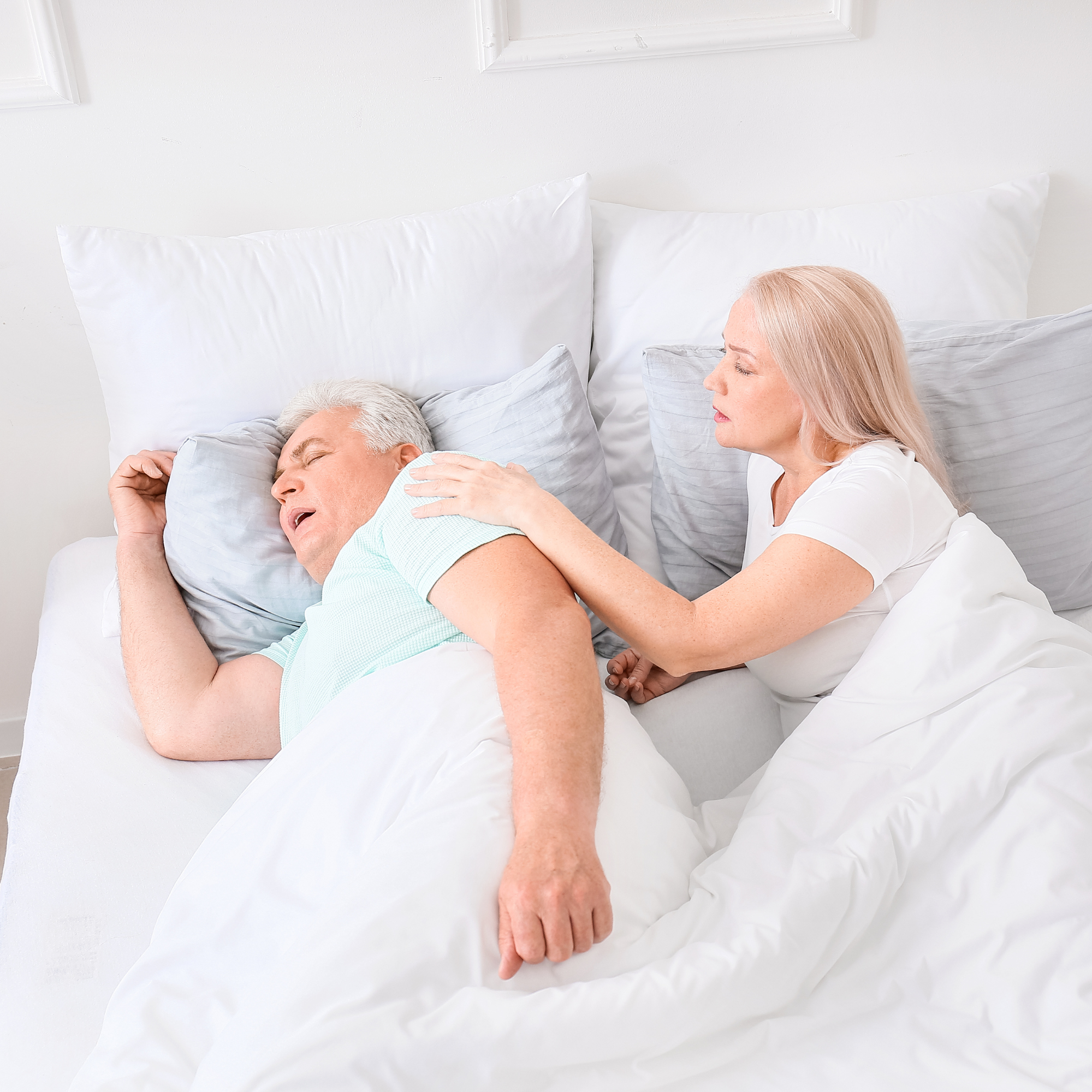
Why Snoring Gets Worse With Age
Snoring is often brushed off as a harmless habit, but many people notice that it becomes more frequent or louder as they get older. While occasional snoring can happen at any age, consistent or worsening snoring may be a sign that something deeper is affecting your airway during sleep. Understanding why snoring changes over time can help you recognize when it may be more than just a nuisance.

Why Treating Sleep Apnea Early Matters (And What You Risk by Waiting)
Sleep apnea is one of those conditions that is easy to put off. You are tired, sure, but life is busy. The snoring bothers your partner more than it bothers you. You tell yourself you will look into it eventually.
The problem is that sleep apnea does not wait. Every night it goes untreated, it is quietly doing damage that goes far beyond feeling groggy in the morning. Here is what you need to know about why acting early makes a real difference.
World Sleep Day: Your Body Kept Score While You Slept Last Night
Most people know sleep matters. But very few people know what is actually happening inside their body during those 7 to 8 hours, and what gets stolen from them when sleep is repeatedly interrupted.
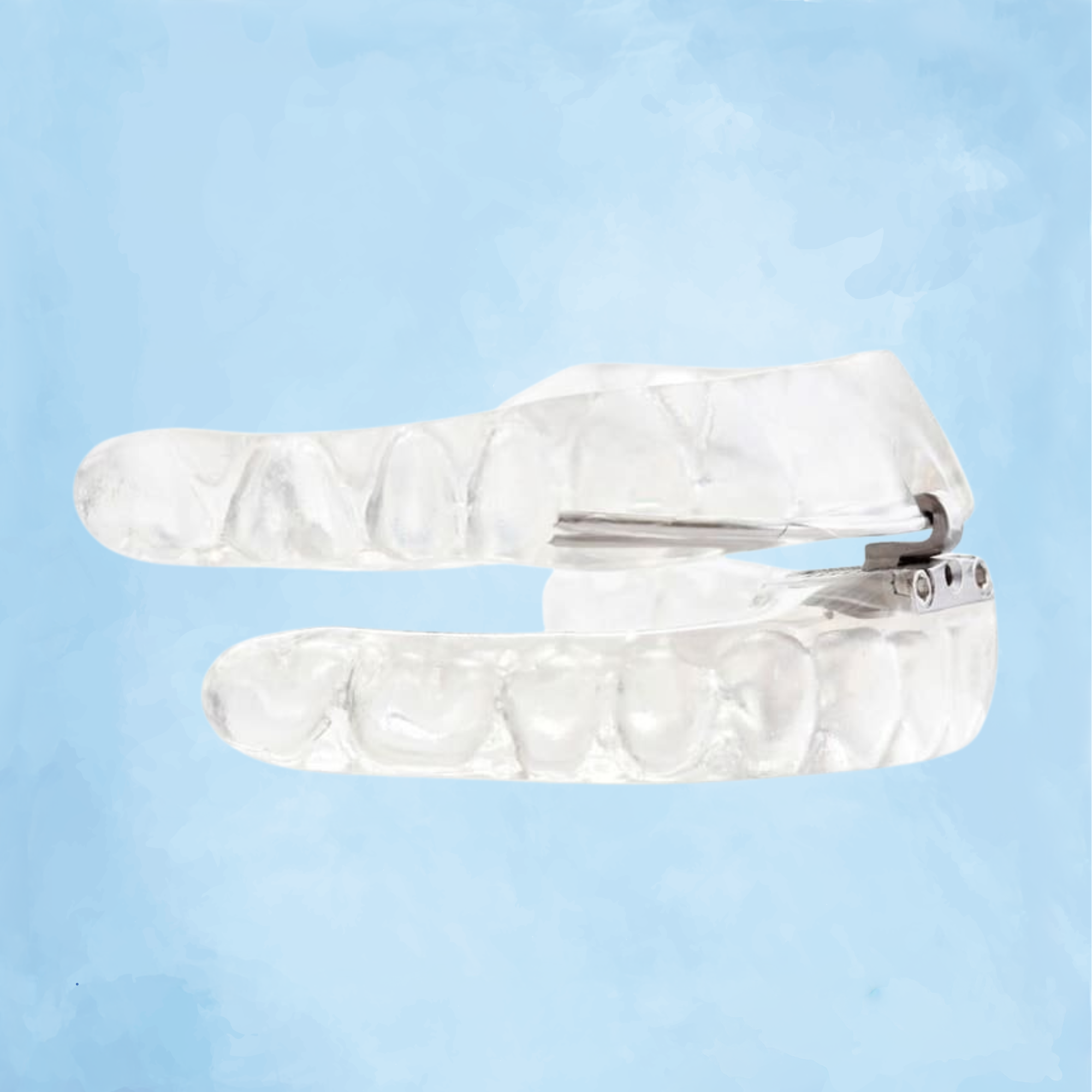
Oral Appliance Therapy: A Convenient Alternative to CPAP
For many patients diagnosed with obstructive sleep apnea, the first treatment they hear about is CPAP therapy. While CPAP can be effective, it is not the right fit for everyone. Oral Appliance Therapy offers a comfortable, convenient alternative that helps patients breathe better and sleep more soundly without the need for bulky equipment.
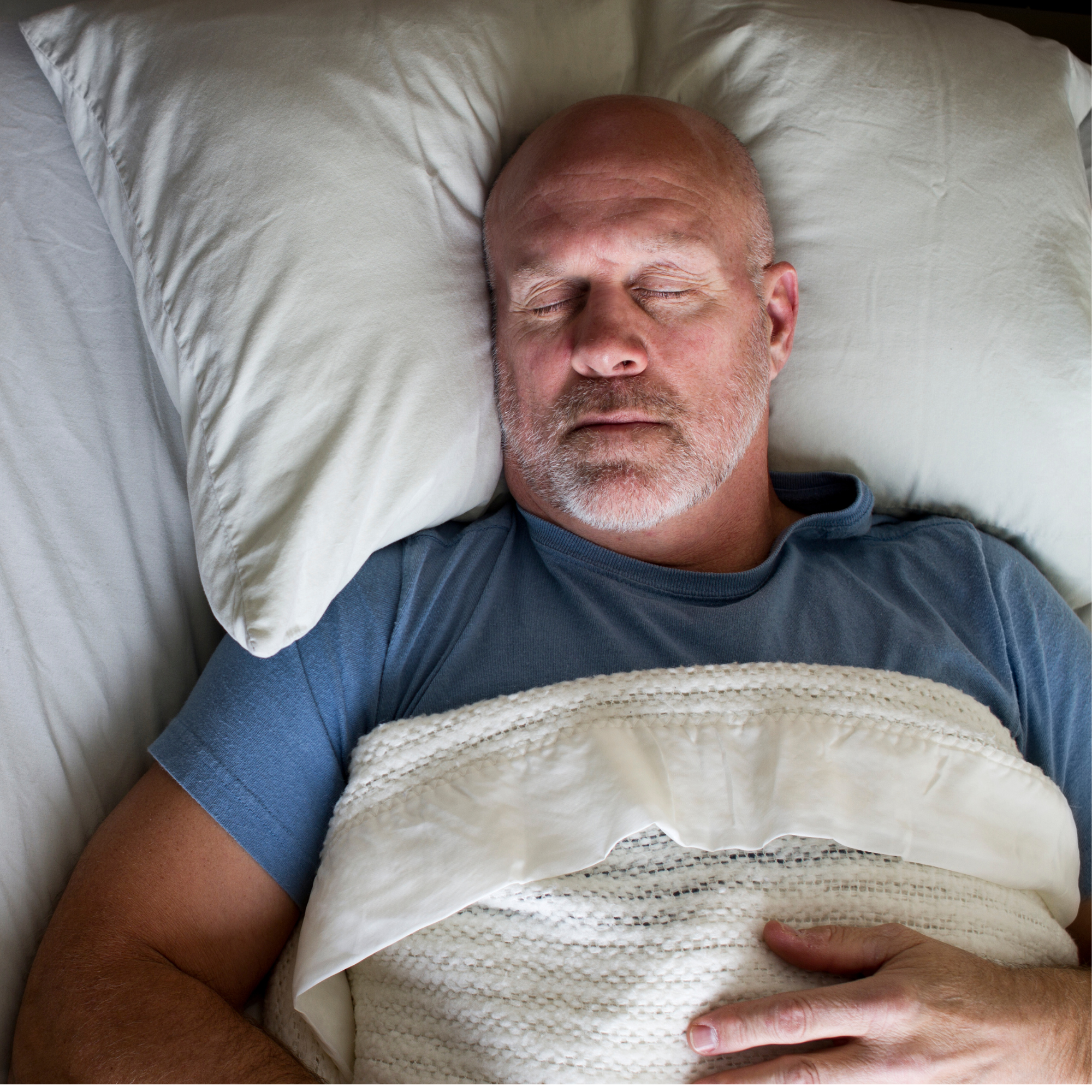
World Sleep Day: March 13, 2026
World Sleep Day is recognized each year to raise awareness about the importance of healthy sleep. In 2026, World Sleep Day falls on March 13 and carries the motto “Sleep Well, Live Better” by the World Sleep Society. This theme highlights something many people overlook. Quality sleep is not a luxury. It is essential to physical health, mental clarity, and overall quality of life.
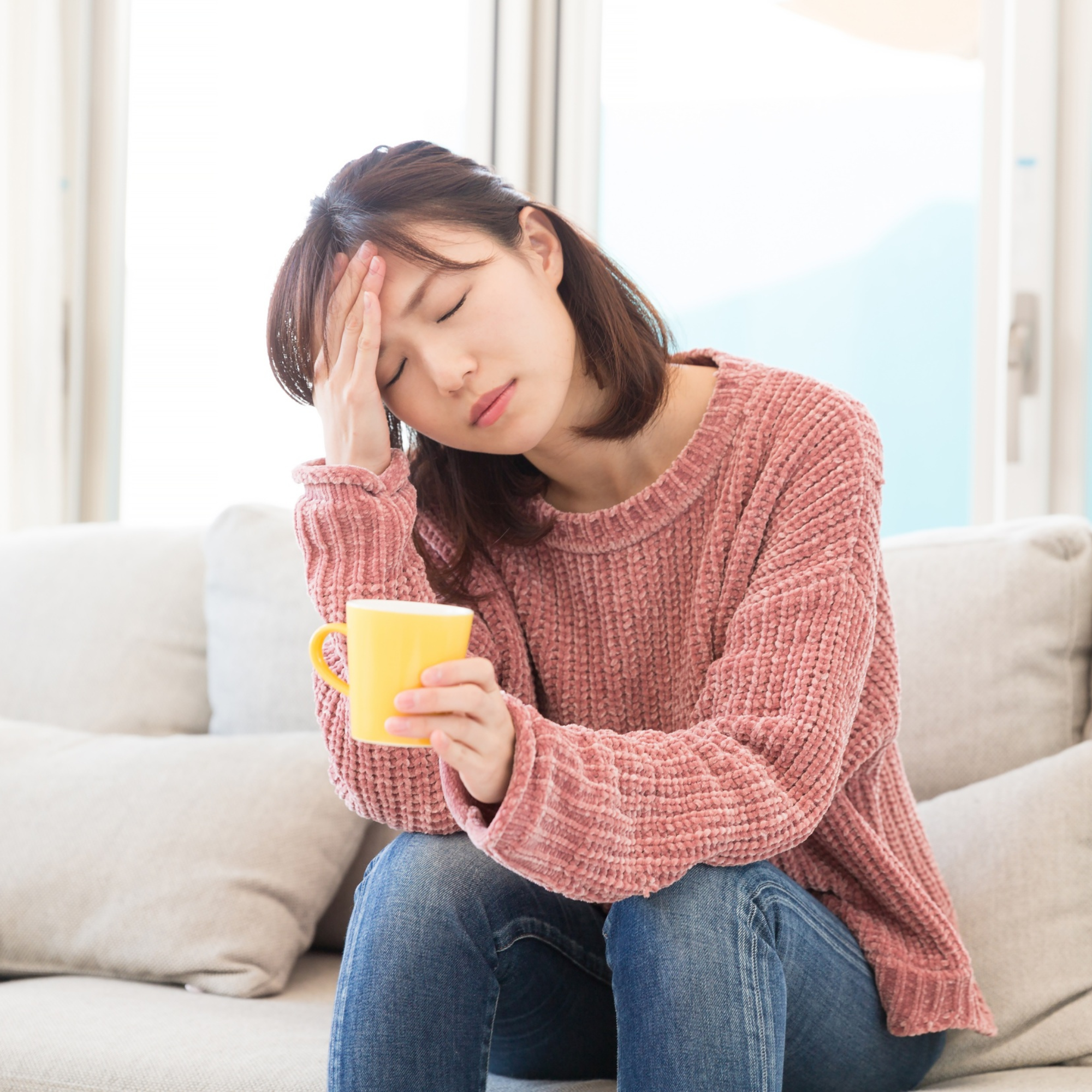
Signs You Might Have Sleep Apnea Even If You Snore Quietly
Many people assume that loud, disruptive snoring is the main sign of sleep apnea. While snoring is common, it is not always loud or obvious. In fact, some people with sleep apnea snore very quietly or do not think they snore at all. This can make the condition harder to recognize and easier to ignore.
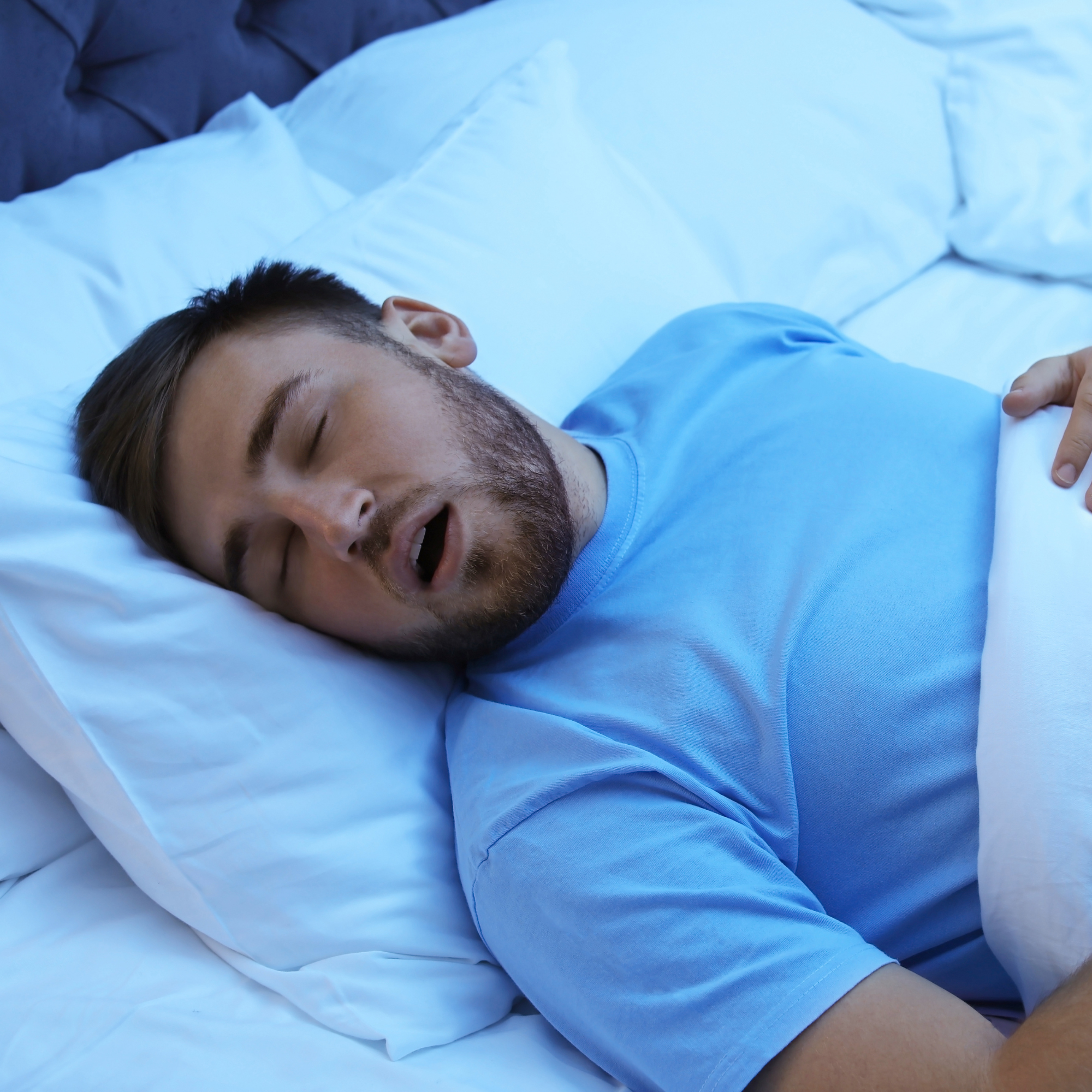
How Sleep Apnea Affects Your Brain, Heart, and Overall Health
Sleep should be a time when your body recovers and resets. For people with sleep apnea, breathing repeatedly stops and starts during the night, preventing truly restful sleep. Over time, these disruptions can affect far more than energy levels. Untreated sleep apnea can impact the brain, heart, and overall health in serious ways.